
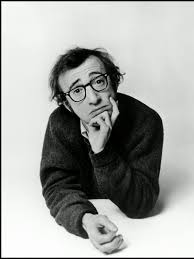
Love him or hate him, Woody Allen is one of the most influential filmmakers of the past 50 years. From neurotic New York romances to Oscar-winning dramas, his movies redefined what “independent cinema” could look like — funny, messy, philosophical, and painfully human.
🗽 From Stand-Up Comic to Auteur
Before cinema, Woody Allen was a comedian. His sharp, self-deprecating humor became the DNA of his films. Annie Hall (1977) didn’t just win Oscars — it rewrote romantic comedies with its jump cuts, breaking the fourth wall, and characters who felt more real than Hollywood stereotypes.

🎬 Cinema as Therapy
Allen’s films often play like therapy sessions on screen:
- Annie Hall → modern love dissected.
- Manhattan → a love letter to New York and a critique of it.
- Midnight in Paris → nostalgia as both escape and curse.
He gave us flawed characters that audiences could see themselves in, long before “relatable” became a buzzword.
⚡ The Controversy Factor
Of course, talking about Woody Allen means addressing the controversies that have haunted his career. In today’s cancel-culture climate, his legacy is complicated. Yet, whether you admire him or reject him, his influence on indie and mainstream directors — from Noah Baumbach to Greta Gerwig — is undeniable.
🎞️ Why He Still Matters in 2025
- He proved that movies could be intellectual and funny.
- His low-budget, dialogue-heavy style is now the bread and butter of streaming indie hits.
- Even TikTok film bros are still quoting his awkward, ironic one-liners.
💡 Final Take
Woody Allen is both a cinematic genius and a cultural paradox. His films changed how we think about romance, comedy, and human flaws. And whether he’s your hero or villain, one thing is certain: indie cinema would not be the same without him.
👉 On Music Sex & Films, we celebrate Allen not as an idol, but as a filmmaker who challenged, provoked, and forever shifted pop culture.